Engineered to exceed Tier-1 standards. Certified globally for efficiency, robustness, and longevity.
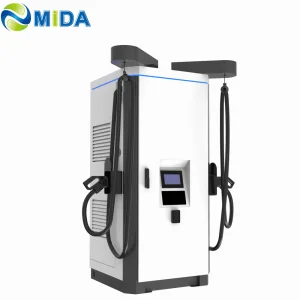
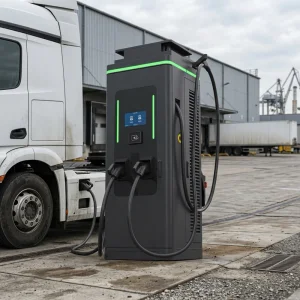
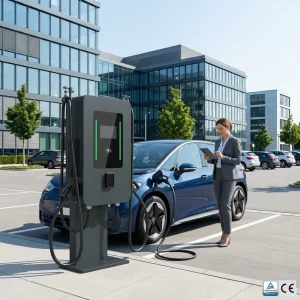
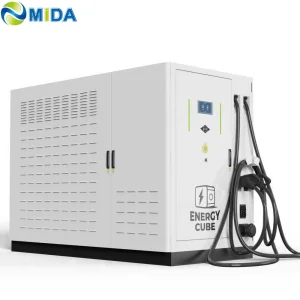
Addressing the structural changes in international distribution grids and the massive shift toward MW-level charging demands.
The global electric vehicle infrastructure transition has progressed past the initial testing phases to enter a massive scale-up phase. For CPOs (Charge Point Operators) and infrastructure managers, grid compatibility, peak power efficiency, and long-term hardware reliability are top priorities. The transition from legacy AC solutions to ultra-fast Level 3 DC topologies requires intelligent dynamic power balancing and hybrid storage solutions.
By using modern wide-bandgap (SiC) semiconductors, integrated thermal configurations, and BESS (Battery Energy Storage Systems) hybrid networks, modern charging stations reduce load spikes on regional distribution networks. The global consensus points toward modular designs that allow operators to upgrade capacities (from 60kW up to 1440kW) with minimal changes to structural civil works.
Standardization is key to successful deployment. Across Europe and North America, networks are adopting the ISO 15118 series to support Plug & Charge capabilities. Concurrently, the rise of NACS (North American Charging Standard) alongside CCS1 and CCS2 shows the need for manufacturing sites to deliver multi-protocol connector systems. Equipment must be built to withstand diverse climatic and grid conditions while maintaining high efficiency.
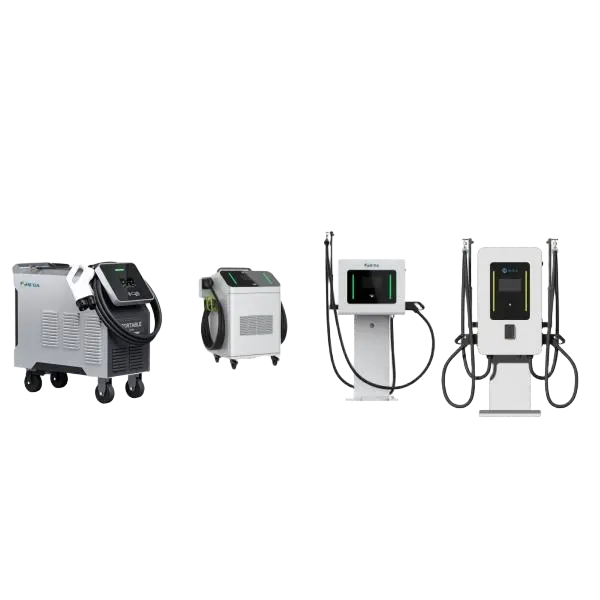
From space-saving wallboxes to split liquid-cooled MW-level setups, MIDA offers a complete charging ecosystem.
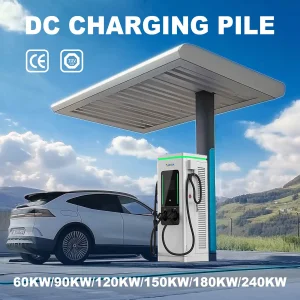
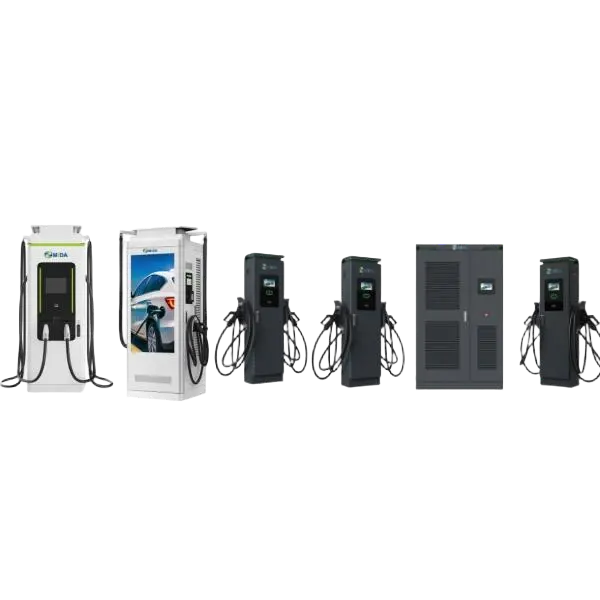
Output Range: 7kW | 20kW | 30kW | 40kW | 60kW | 80kW
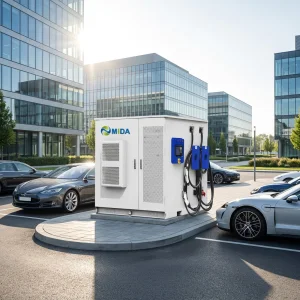
Output Range: 60kW-480kW | 360kW-1440kW
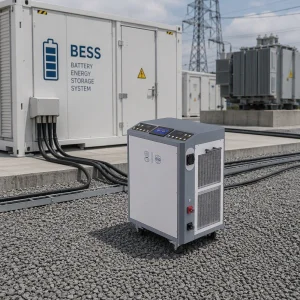
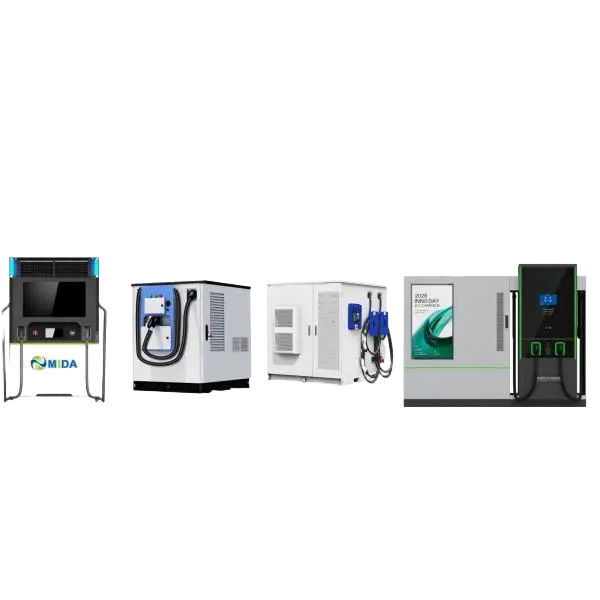
Capacity Range: 60kWh | 261kWh | 418kWh | 625kWh | 2MkWh
A global leader in charging component manufacturing and infrastructure engineering.
Shanghai Mida Cable Group Ltd. operates through its wholly owned subsidiaries: Shanghai Mida EV Power Co., Ltd., Shenzhen Mida EV Power Co., Ltd., and Shanghai Mida New Energy Co., Ltd. This unified organizational structure ensures deep expertise across every step of the value chain, from raw cable extrusion to power electronics design and charging management software integration.
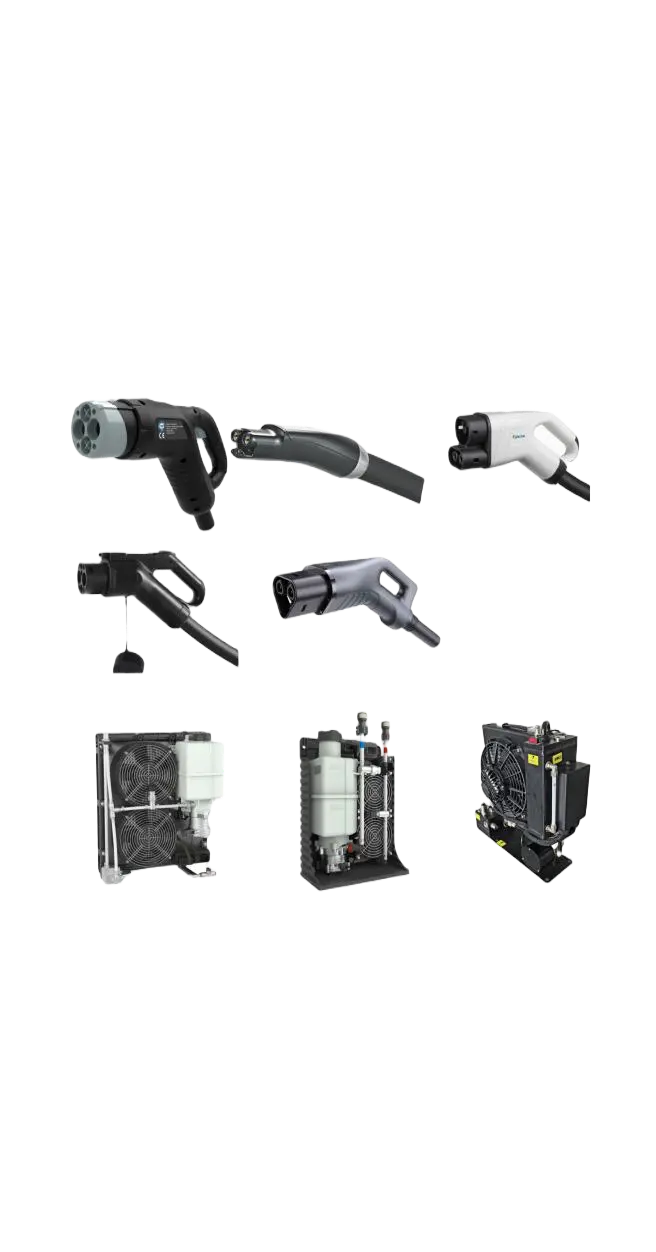
Mida Cable manufactures a comprehensive range of EV charging cables, including 16A–80A J1772 cables, 16A–63A IEC 62196-2 Type 2 cables, and DC fast charging cables: CCS1 (80A–500A), CCS2 (125A–1000A), CHAdeMO (125A–300A), GBT (200A–1000A), and NACS connectors (250A–600A). This range provides charging network operators with reliable connectivity solutions tailored to diverse local standard requirements.
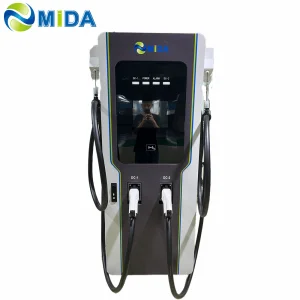
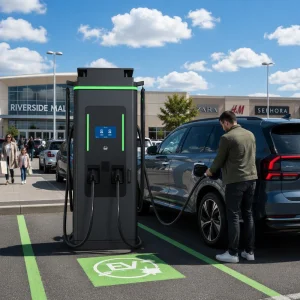
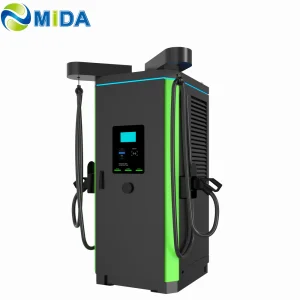
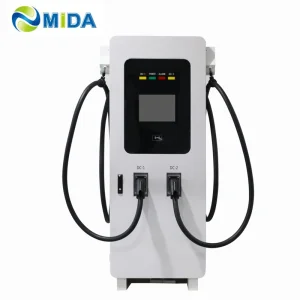
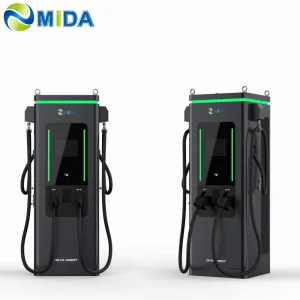
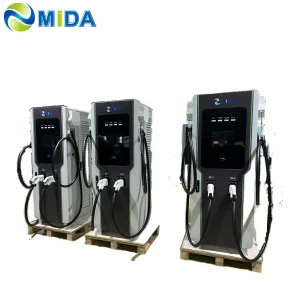
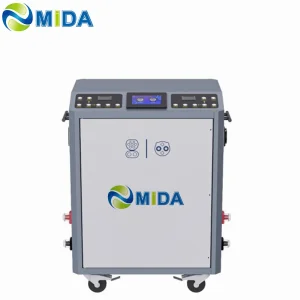
MIDA EV Power produces a full lineup of EV charging stations, such as 7kW–50kW mobile chargers, 3.6kW–7.2kW portable DC chargers, 360kW–1440kW split-type DC fast chargers, 20kW–50kW wall-mounted DC chargers, and 60kW–480kW floor-standing DC fast charging stations.
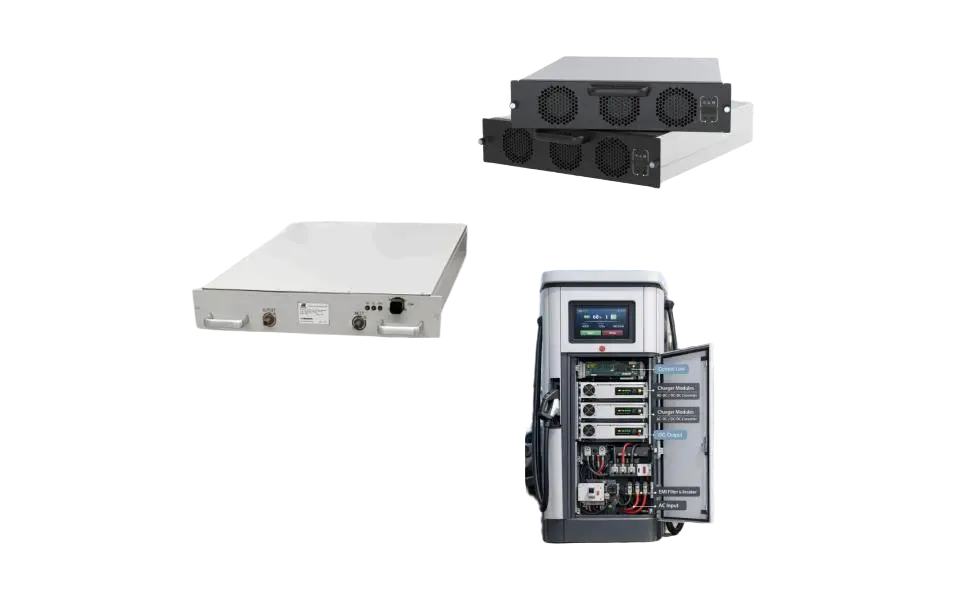
MIDA New Energy specializes in EV charger power modules, offering 20kW–60kW standard modules, 40kW–125kW liquid-cooled modules, 30kW–62.5kW bidirectional modules, and 20kW–45kW V2G charging modules.

Highly integrated charging infrastructure starts with reliable components. Discover MIDA's internal sub-assemblies.
High-Efficiency Rectification & Conversion
Thermal Management & Physical Connections
Turnkey Charging Dispenser Systems
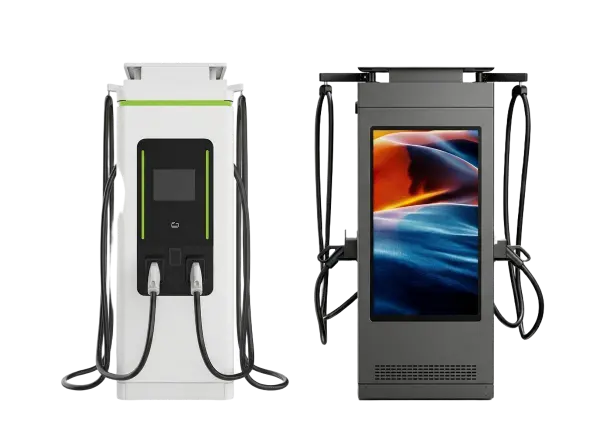
Grid Buffering & Off-Grid Deployment
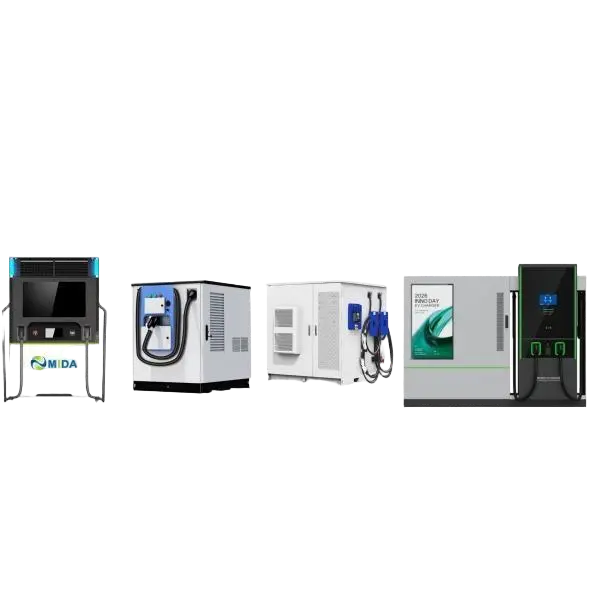
MIDA systems undergo strict international testing to ensure trouble-free connection to local utility grids.
| Target Region | Standards Compliance | Supported Interfaces | Key Metrology & Certifications |
|---|---|---|---|
| North America | UL 2202, UL 2231, FCC Part 15, NEC Article 625 | SAE J1772, NACS (SAE J3400), CCS1 | CTEP, Energy Star, UL Listed File Numbers |
| Europe & Oceania | EN 61851-1, EN 61851-23, CE-LVD, CE-EMC | IEC 62196-2 Type 2, CCS2 | MID Metrology, PTB Calibration Law (Eichrecht) |
| Asia Pacific | GB/T 18487.1, GB/T 20234, CHAdeMO 2.0 | GB/T, CHAdeMO, ChaoJi | CQC Mark, Jet Certification, State Grid Approval |
| Global / Heavy Duty | ISO 15118-2/-20, DIN 70121, OCPP 1.6J / 2.0.1 | MCS (Megawatt Charging System) | CharIN Conformance, Class-A Metrological Certs |
Deploying public fast-charging points in Europe, particularly Germany and Austria, requires strict compliance with local calibration laws (Eichrecht). Our integrated PTB-compliant meters monitor and record billing details, preventing disputes and ensuring transparent transactions for retail users. By combining MID-certified AC/DC energy meters with secure storage modules, operators can securely process payments without adding external hardware.
ISO 15118-20 outlines bidirectional power transfer (V2G) and advanced security standards. Our latest power modules support plug-and-play secure communication, enabling automated billing and authentication. This technology allows vehicles to feed energy back to the grid or microgrid, turning charging assets into active energy generation nodes.
Designing durable, high-power systems for commercial fleets, transit agencies, and mining operations.
Standard forced-air systems face physical limits around 200A due to heat generation. Pushing past this requires advanced thermal management. MIDA's liquid-cooled stations route coolant directly to the connector pins, maintaining temperatures below 50°C even under continuous 600A loads. This cooling setup allows for thinner, lighter, and more flexible cables that are easier for users to handle.
Our cooling system uses an eco-friendly dielectric liquid with high heat capacity. The system actively monitors flow rates, pressure levels, and temperature sensors to prevent leaks and adjust cooling rates dynamically based on actual power output.
Connecting a multi-megawatt depot to the local distribution grid can trigger expensive demand fees and strain infrastructure. Our Battery Energy Storage System (BESS) cabinets help buffer these peaks. By using local LiFePO4 battery storage, the system can draw a steady, lower current from the grid, storing it during off-peak hours and discharging it rapidly when high-power charging is required.
This integration simplifies site planning, often eliminating the need for expensive substation upgrades. Operators can deploy 360kW and 480kW dispensers on low-capacity connections, using the battery storage to supply the extra power needed during peak usage.
Latest developments, technical updates, and installation guides from our global engineering teams.
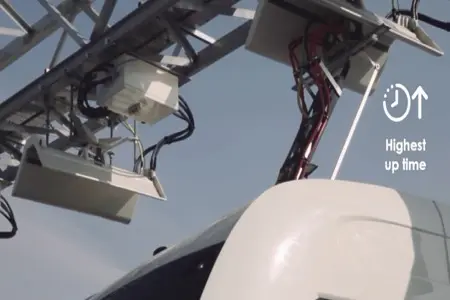
What are the advantages of an e-bus pantograph dome? In contrast to classic plug-in charging systems, e-bus pantographs enable automated overhead charging during scheduled stops, maximizing fleet uptime.
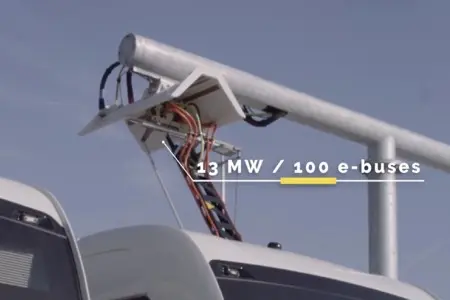
How long does it take to charge with an e-bus pantograph? The charging time depends on the battery capacity and the power output of the overhead charger, which can deliver up to 600kW.
How to Install the Pantograph Up Charger System Dome for Electric Bus. Discover step-by-step structural guidelines, alignment sensor calibrations, and grid integration requirements.
Expert answers to common queries regarding grid requirements, certifications, and product customization.
Standard systems rely on air-cooling, which limits continuous current to about 200A to 250A. Liquid-cooled systems route specialized coolant through the charging cables and connectors, maintaining safe operating temperatures at currents up to 600A. This allows for significantly faster charge times and lighter, more flexible cables.
BESS (Battery Energy Storage Systems) store energy during low-demand periods and discharge it to assist the grid during fast-charging sessions. This buffering reduces peak load demand on local transformers, often eliminating the need for expensive utility upgrades and lowering monthly demand charges.
Yes. Our stations support major industrial communication protocols, including ISO 15118 (with Plug & Charge support), DIN 70121, and OCPP 1.6J / 2.0.1. This ensures full interoperability with global vehicles and backend fleet management systems.
As an integrated manufacturer with dedicated cable extrusion lines, module labs, and station assembly facilities, we offer extensive customization. This includes custom branding, specialized housing materials, unique interface options, and customized OCPP software adaptations.
Explore our complete lineup of chargers, testing equipment, and high-power split systems.